Project BFGP: Brain Functional Genome Program
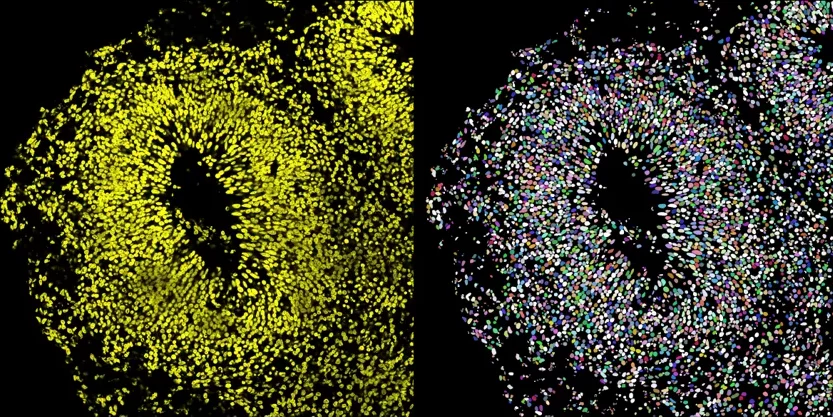
Creating a 3D Atlas linking gene expression and functionality in the developing brain
Advances in genomic sequencing have made it possible to identify genes associated with neurodegenerative diseases, but their role in brain development remains poorly understood. Establishing the functional link between these genes and their expression during development is essential for early detection and a better understanding of neurological diseases. This project will fill this gap by creating the first 3D atlas linking functionality and gene expression in developing brains.
OUR CHALLENGE
Deepening our understanding of the human brain during development
The Brain Functional Genome Program seeks to explore the molecular signatures of human brain cells across age, whether healthy or diseased, and to understand the role of key genes in the development of brain diseases.
THREE MAIN OBJECTIVES
- Atlas of molecular signatures in the human and mouse brain – Creating an atlas of gene expression using spatial transcriptomics and 3D imaging.
- Screening genetic variants – Developing a pipeline to characterize new genes associated with neurodegenerative diseases.
- Quantification of cell types using artificial intelligence – Linking the datasets from objectives 1 and 2.
MAJOR ADVANCES
The recruitment of two engineers will make it possible for the project to move forward. A 3D visualization technique for mouse brains at different stages of development has been adapted, incorporating technologies for measuring gene expression. Organoids (small three-dimensional biological structures that mimic the architecture and functioning of the entire organ) have been created to study brain development. Finally, an online platform has been set up to share data within the scientific community, facilitating future discoveries.